

How to Check a Broker’s Online Reputation Before You Trade
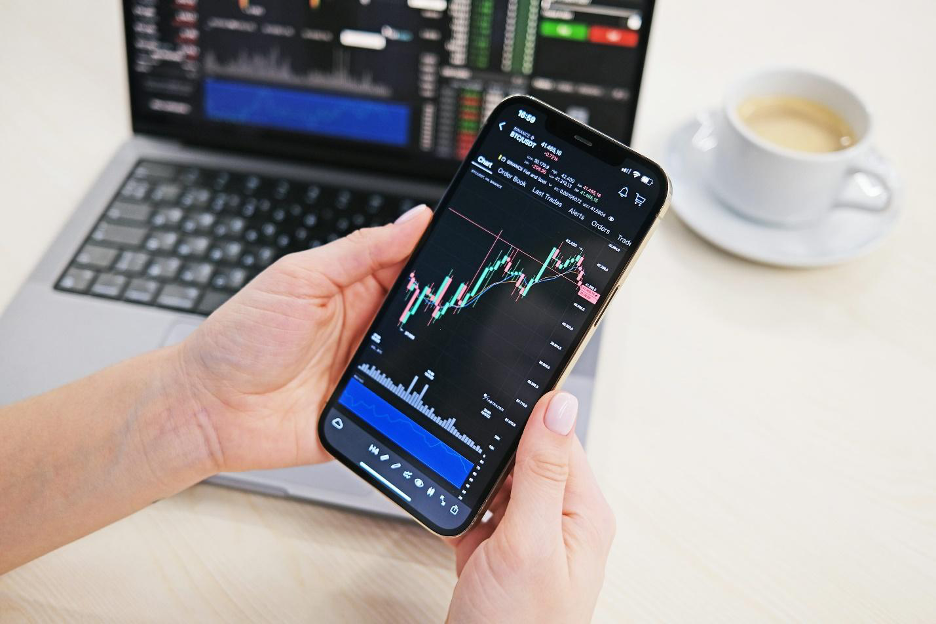
Picking a broker is one of the most important decisions a trader makes, and surprisingly, many people still judge brokers only by spreads, bonuses, or fancy platform screenshots. The truth is that these features matter, but they tell only a small part of the story. What matters even more is the broker’s online reputation and how the trading community talks about them when the company is not in the room.
In today’s world, a broker’s reputation can be seen in search results, review platforms, forums, news mentions, and even the way the brand reacts to both praise and criticism. This is why smart traders take their time to look deeper. They treat reputation as part of their risk management, because a trusted broker can protect far more than your initial deposit.
In this guide, we will walk through simple and practical ways to check a broker’s reputation. You will also learn how tools from the world of online reputation management can help you make safer choices and avoid brokers with hidden issues.
Start with a simple online check
The easiest place to start is a basic search. Type the broker’s name into Google and see what appears. It sounds simple, but these results reveal more than you think.
You might come across Trustpilot pages, independent review blogs, YouTube breakdowns, or a mix of positive and negative experiences. You do not need to read every post. You are only checking the overall pattern. Repeated complaints usually point to real problems. Repeated praise can signal reliability, especially when it appears across different platforms.
At the same time, be aware that the internet has become full of fake positive reviews and, even more severely, fake negative ones as well. They usually sound similar, use the same style of wording, or appear in large batches within a short time.
Here are a few signs that can help you spot them quickly:
- The reviews feel too generic or exaggerated
- Many comments repeat the same sentence structure
- The rating does not correlate with information and user experiences that you can find on other outlets (and we’ll get to those other sources later on)
When you see a balance between real praise, minor complaints, and honest feedback, that usually points to a more authentic reputation.
A broker with several years of consistent visibility tends to earn such status through consistent behavior and strong online reputation management over time. A broker filled with sudden warnings, unexplained ratings, or huge shifts in sentiment should make you pause before you commit.
Check what traders are saying
Trader communities often give the clearest view of a broker’s performance. These spaces are full of people who talk openly about spreads, withdrawals, execution quality, and support response times.
You can explore places like Reddit, Quora, or popular Telegram groups. Having said that, the most optimal place to comprehend what the trading communities feel about a certain company is usually designated forums for traders, such as Forex Factory, Tradingpips, Forexpeacearmy and others. There, many users share real withdrawal screenshots, share timelines, and talk about how the platform behaves during fast markets.
When reading these discussions, pay attention to repeated themes. One person might complain due to a personal error, but ten people reporting the same issue signals a reputation problem.
A strong online reputation might look like this, for example:
- Users mention fast responses.
- Users are not complaining and even praising the withdrawal and deposit process – this is always a soft spot since users are usually less patient when it comes to their money.
- Users highlight steady execution on MT4/MT5 or other well-known industry platforms.
These comments come naturally when a broker actually works well.

Source: https://unsplash.com/photos/a-computer-with-five-stars-on-top-of-it-DldeKltfIjg
Use verified online reputation management tools
Manual searching is useful, but AI tools can show an even bigger picture. They organize mentions, sentiment, reviews, and news into a clear snapshot of a company’s online image.
These tools scan hundreds of sources at once. They show how often a broker is mentioned, the tone of the comments, and whether the sentiment is improving or declining. They also highlight hidden places where a broker’s name appears, such as small forums or regional news websites.
This gives you a complete map of the broker’s online reputation management performance. It is similar to checking a credit score. You see the overall trust level before you commit.
See how the company handles criticism
Every brand receives negative feedback at some point. The difference is in the reaction.
A trustworthy broker replies politely and to the point, explains what happened, and tries to fix the problem. They stay visible. They communicate honestly. When a company does this openly, it usually points to a solid online reputation management protocol running behind the scenes.
On the other hand, if a broker ignores complaints or deletes criticism, it tells you something important. Transparency is missing. Good brokers do not hide from their clients.
Smart traders look closely at how a company behaves under pressure. A transparent reaction is often a sign of strong internal values.
Review the company’s background
Reputation includes history. You can check the broker’s founding year, regulatory status, financial reports, awards, or any rebranding history. A clean, long timeline usually signals stability.
A short or unclear history does not always mean a broker is unsafe. But it does mean you must rely more heavily on tools and community feedback when checking their reputation.
You will also find that older brokers who invested early in online reputation management usually maintain stronger trust, because their image has been protected and monitored over time.
The goal is to feel confident that your funds are in a place that has nothing to hide.
Final thoughts
You do not need advanced tools or hours of research to understand a broker’s reputation. All you need is curiosity, a few clicks and keyboard typings, and awareness of what traders are saying.
When you look at all of these together, the picture becomes clear. Some brokers work hard to maintain a strong online reputation. Others try to cover their issues with marketing.
Doing the essential research beforehand helps you stay safe and trade with confidence. A stable broker with strong online reputation management practices gives you the peace of mind every trader deserves.
By Vadym Goncharenko

















Comments (0 comment(s))